
Failing to plan is to plan to fail.
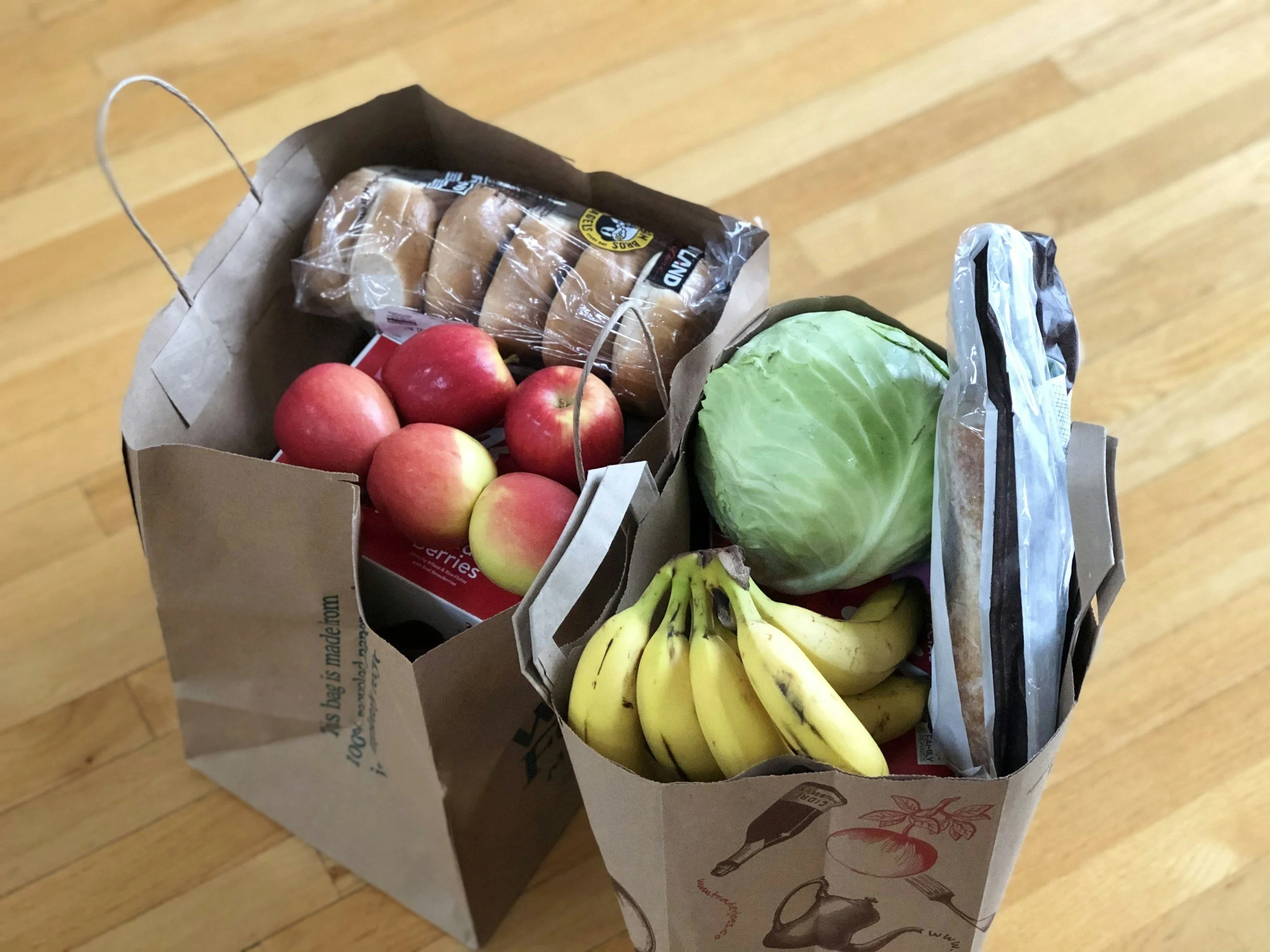
Creating a grocery list improves efficiency, reduces waste, and supports healthier, more cost-effective eating habits.
Saves time: With a list you shop with purpose, spend less time wandering aisles, and complete trips faster.
Controls spending: Lists limit impulse buys and help you stick to a budget by focusing on planned items.
Reduces food waste: Planning purchases around meals and portion needs prevents overbuying perishable items.
Promotes healthier choices: When you plan meals and list nutritious ingredients, you’re less likely to reach for convenience foods.
Ensures pantry and meal readiness: A list helps maintain staples and prevents last-minute runs for missing ingredients.
Simplifies meal planning: Writing down ingredients for specific recipes streamlines cooking and reduces decision fatigue.
Supports dietary needs and preferences: Lists make it easier to track special diets, allergies, or family preferences so everyone’s needs are met.
Enables better substitution and batch buying: Knowing what you need allows comparison of unit prices and planning for versatile, multi-use ingredients.
Tips for an effective grocery list:
Organize by store layout or category (produce, dairy, canned goods) to speed up shopping.
Keep a running list (paper, phone note, or app) and update it immediately when you run low on items.
Add quantities and recipe references to avoid confusion and overbuying.
Check the pantry and fridge before making the list to avoid duplicates.
Plan meals for the week first, then derive the list from those meals for targeted shopping.
A simple, organized grocery list translates planning into tangible benefits: less stress, lower cost, less waste, and better meals.
Together we will discuss creating a grocery list and what method fits best for your life and budget.